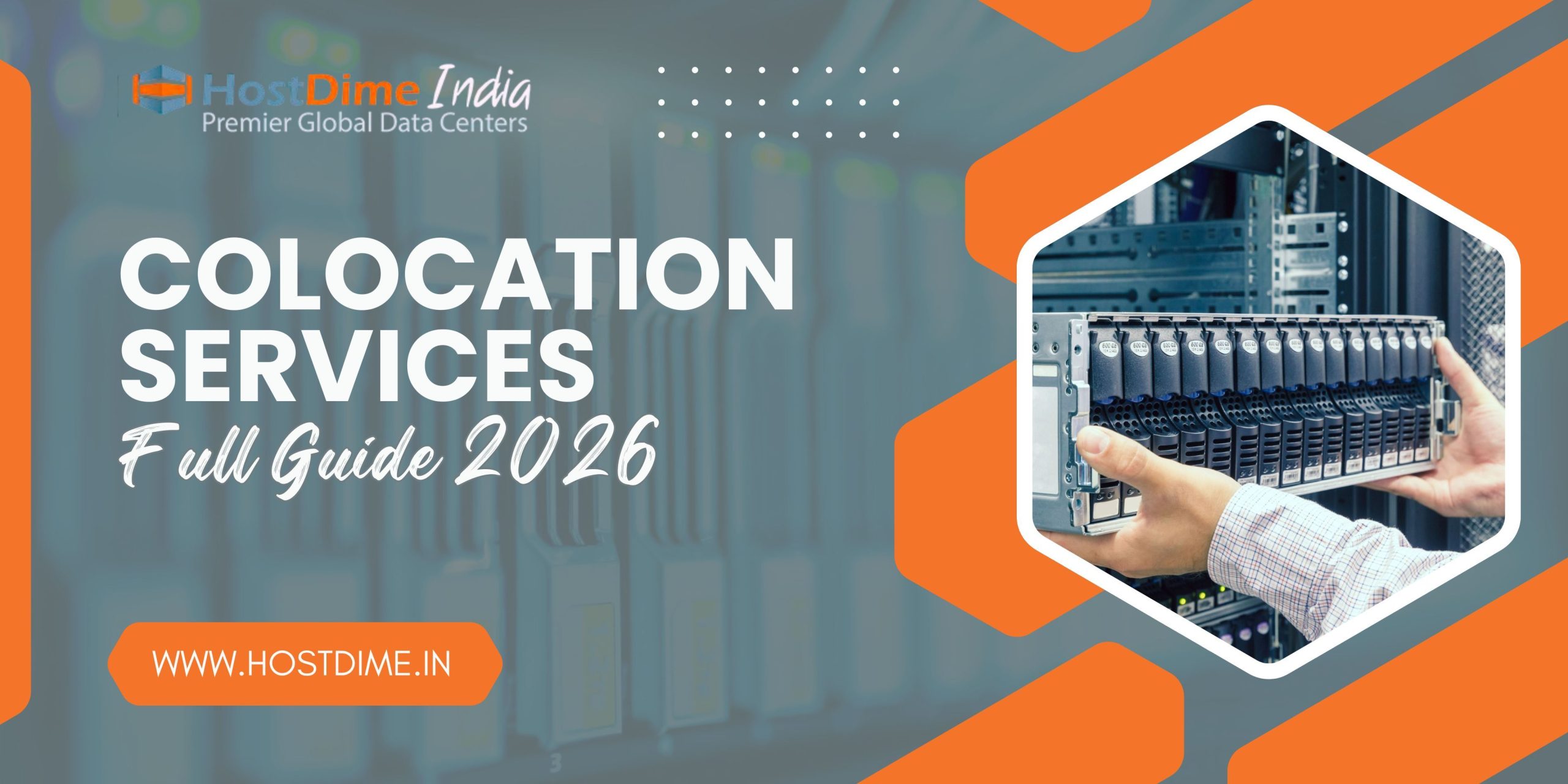
Data center hosting services are growing rapidly as businesses seek greater control over their IT systems. Recent reports show the global data center colocation market may cross $120 billion by 2027. This growth comes from the need for secure and scalable infrastructure. You may not want to build your own data center. But you still want full control over your servers. Colocation helps you do that. It gives you space, power, and network support in a professional facility. You place your servers there and manage them yourself. This guide explains how colocation services work, their types, and how to decide if they fit your needs.
What is a Colocation Service?
A colocation service lets you place your own servers in a third-party data center facility. You still own the hardware. The provider gives you space, power, cooling, and internet.
You do not need to build a facility. You rent space in an existing one. This saves time and cost. You also get better uptime and security.
Colocation service providers manage the environment. This includes HostDime, a reliable service provider. You stay in control of your servers and software.
How Colocation Services Work?
You buy your servers and send them to a data center. The provider installs them in racks or cabinets. Your systems connect to power and high-speed internet. You can access them remotely or visit the facility when needed.
Here’s what happens:
- You choose a colocation plan (rack space, bandwidth)
- You send or install your hardware
- The provider sets up the power and network
- You monitor and manage your servers
Once your servers are live, they run in a secure setup. The data center manages cooling, power backup, and physical safety. This reduces downtime. You focus on your apps and data instead of hardware issues.
Types of Colocation Services
Data center hosting services come in different sizes. You can choose based on your needs. You can also scale later as your business grows.
1. Retail Colocation
Retail colocation works well for small and mid-sized businesses. You rent a small space like a rack or cabinet. This keeps costs low and gives you full control.
Includes:
- Single rack or shared cabinet
- Limited power use
- Standard network access
You do not need a large setup. It is simple and cost-friendly. You still get strong security and uptime.
2. Wholesale Colocation
Wholesale colocation is for larger setups. You rent a big space like a private cage or room. This gives you more control and higher capacity.
Includes:
- Private cages or rooms
- High power support
- Custom network setup
This works well for businesses with heavy workloads. You can design your setup. It also supports future growth.
3. Hyperscale Colocation
Hyperscale colocation is for very large operations. Big tech companies use it to handle large data loads. It supports high performance and scale.
Includes:
- Large infrastructure space
- Advanced cooling
- Dedicated high-speed networks
This option is not for small setups. It suits companies with large data needs. It supports heavy traffic and processing.
What are Managed Colocation Services?
Managed Data center hosting services add support to basic colocation. The provider helps manage your systems. You do not handle everything alone. You get help with setup, monitoring, and fixes.
This may include server setup, updates, backups, and security checks. It is useful if you have a small team. It saves time and improves system stability. Learn more about managed data center hosting services and how AI colocation is transforming modern businesses.
Key Benefits of Data Center Hosting Services
Data center hosting services give you strong benefits. You get better control, safety, and cost savings.
1. Cost Savings
Building a data center costs a lot. You need space, power systems, and staff. Colocation removes these costs.
Benefits include:
- No building cost
- Lower energy bills
- Shared infrastructure
You pay only for what you use. This helps you control spending.
2. High Reliability
Data centers are built to stay online. They use backup systems and constant monitoring. They are designed to handle failures without stopping operations.
Benefits include:
- 24/7 monitoring
- Backup power
- Redundant cooling
This keeps your systems running. It lowers downtime risk. It also ensures stable performance during peak usage.
3. Strong Security
Colocation facilities have strict safety measures. These protect your servers and data. Access is limited to approved staff only.
Benefits include:
- Biometric access
- CCTV tracking
- Fire protection
Your servers stay in a safe space. This is better than a normal office setup. It lowers the risk of theft, damage, and data loss.
4. Scalability
Your needs can grow over time. Colocation lets you expand easily. You can increase space, power, or bandwidth without shifting locations.
Benefits include:
- Easy upgrades
- Flexible space
- Pay as you grow
You do not need to rebuild anything. You just scale within the same facility. This makes long-term planning simple and cost-friendly.
Also read: Acronis Backup Explained: Complete Beginner Guide (2026)
Colocation vs Cloud vs Dedicated Hosting
| Feature | Colocation Services | Cloud Hosting | Dedicated Hosting |
| Hardware Ownership | You own hardware | Provider owns hardware | Provider owns hardware |
| Control | Full control | Limited Control | Moderate Control |
| Setup Cost | Medium | Low | Medium |
| Scalability | High | Very High | Medium |
| Maintenance | You Manage | Provider Manages | Provider Manages |
| Security | High (physical + custom) | Shared responsibility | Provider managed |
Who Should Use Colocation Services?
Data center hosting services fit businesses that want control without building a data center. They are useful when performance, uptime, and data control matter. This setup works well for teams that already use physical servers but need a better environment.
Colocation also helps when your office setup is not reliable enough. Power cuts, heat, and weak security can affect performance. A data center solves these problems and keeps systems stable.
This option makes sense if:
- Existing servers need a secure and stable place to run
- High uptime is required for apps or websites
- Predictable monthly costs are preferred over large upfront spending
- Business plans include steady growth or expansion
- In-house teams want full control over hardware and software
- Data handling requires strict security and compliance
It works well for growing companies, SaaS providers, and e-commerce platforms. It also suits businesses that run critical applications daily. If system downtime can affect revenue or users, colocation is a strong choice.
Conclusion
Data center hosting services give you control and stability without building your own facility. You keep your hardware and use a secure setup. This helps you run systems with less risk and better uptime. As your needs grow, you can scale easily. HostDime India offers flexible colocation services with strong infrastructure support, helping you manage your systems with confidence.
FAQs
1.What is the difference between colocation and cloud?
Colocation uses your own hardware. Cloud uses the provider’s hardware. This means you have more control in colocation, while cloud offers easier scaling without managing physical servers.
2. Are managed colocation services worth it?
Yes, they save time and reduce technical workload if you lack in-house expertise. They also improve reliability by ensuring your systems are monitored and maintained by experienced professionals.
3. Is colocation secure?
Yes, data centers offer strong physical and network security systems. They also use continuous monitoring to protect your servers from threats.
4. Can small businesses use colocation services?
Yes, retail colocation options are designed for small setups and budgets. They also let you scale gradually as your business grows without high upfront costs.